Trailer Interchange Insurance
Trailer Interchange Insurance provides Physical Damage coverage for trailers being pulled under a trailer interchange agreement.
What Is Trailer Interchange Insurance?
Trailer interchange insurance is a specialized commercial trucking coverage that protects a motor carrier when it is using a trailer it does not own under a written trailer interchange agreement. In simple terms, it covers physical damage to someone else’s trailer while it’s in your care, custody, or control.
How It Works
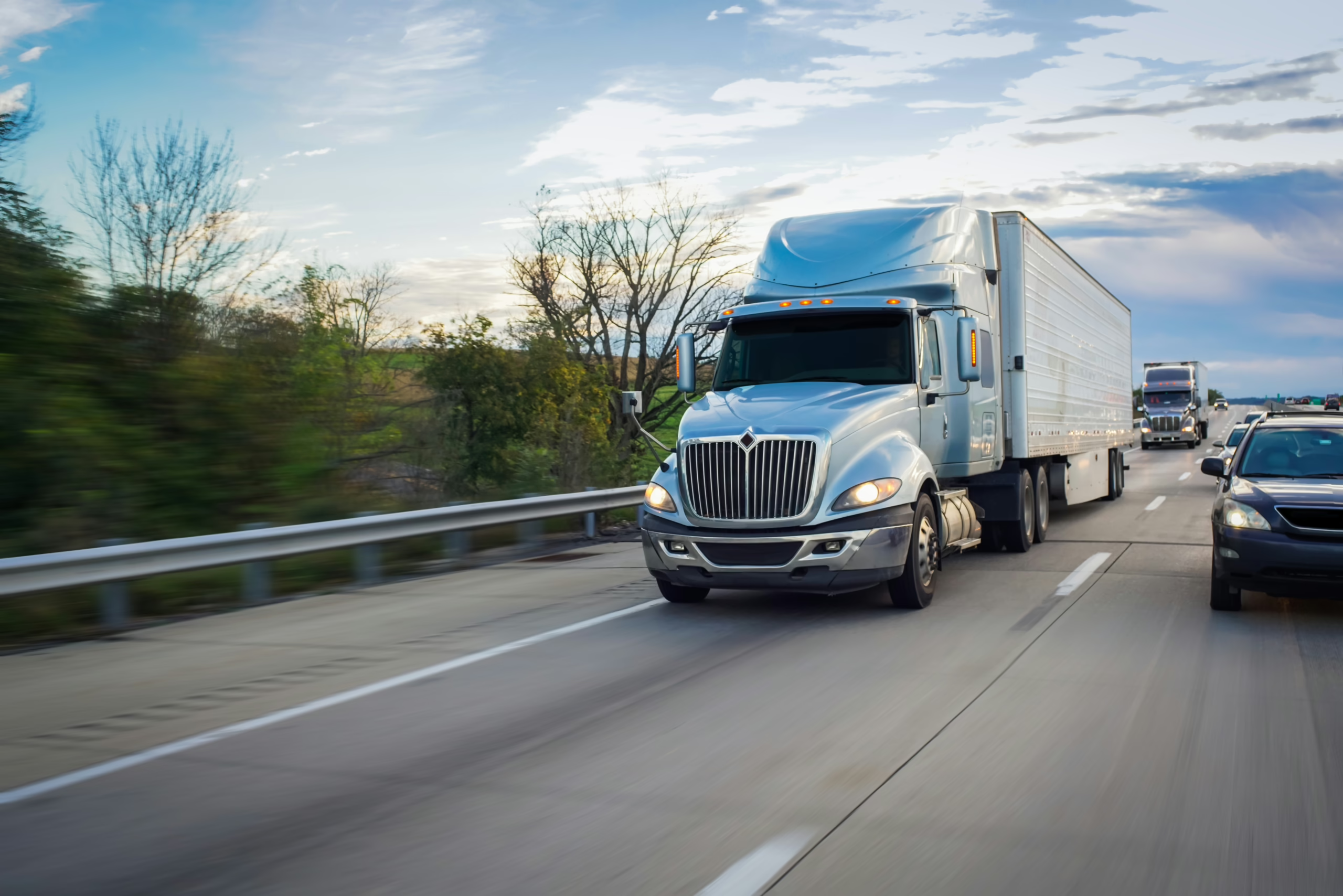
Many trucking companies pull trailers owned by:
- Shippers
- Other motor carriers
- Trailer leasing companies
When a carrier signs a trailer interchange agreement, they become financially responsible for damage to that trailer. Trailer interchange insurance transfers that risk to the insurer.
What It Covers
Trailer interchange insurance typically covers physical damage to non-owned trailers caused by:
- Collision
- Fire
- Theft
- Vandalism
- Sometimes comprehensive-type losses (depending on policy)
Coverage applies only while the trailer is attached or under the insured’s control.
What It Does Not Cover
- Damage to trailers owned by the insured
- Liability for bodily injury or property damage to others (that’s auto liability)
- Cargo damage (that’s motor truck cargo insurance)
- Trailers used without a written interchange agreement
- Normal wear and tear
Start Saving Today
Get started today and save on commercial truck insurance by filling out our insurance quote form!
Trailer Interchange Insurance FAQs
Who should carry Trailer Interchange Insurance?
Any fleet owner or trucking company that regularly hauls trailers belonging to other carriers should consider this coverage.
How is Trailer Interchange Insurance different from non-owned trailer coverage?
Non-owned trailer coverage applies when you occasionally use another trailer, while trailer interchange insurance is specifically tied to formal interchange agreements.
Does the FMCSA require fleets to have trailer interchange insurance?
The Federal Motor Carrier Safety Administration (FMCSA) does not require trailer interchange insurance. However, most interchange contracts mandate it before you can haul another company’s trailer.
How much coverage is appropriate?
Coverage limits should match the value of the trailers being hauled. Many contracts specify minimum requirements.
Key Benefits: Why Fleet Owners Need Trailer Interchange Insurance
Operating a fleet means there’s constant movement and transfers of trailers between carriers. Trailer Interchange Insurance provides many benefits.
- Financial protection: Covers physical damage to non-owned trailers.
- Contract compliance: Meets interchange agreement requirements.
- Protects reputation: Shows professionalism and reliability to shippers and partners.
- Minimizes downtime: Helps recover faster after incidents.
Request a Quote
Get started today and save on commercial truck insurance by filling out our insurance quote form!