What Is the Vehicle Maintenance BASIC?
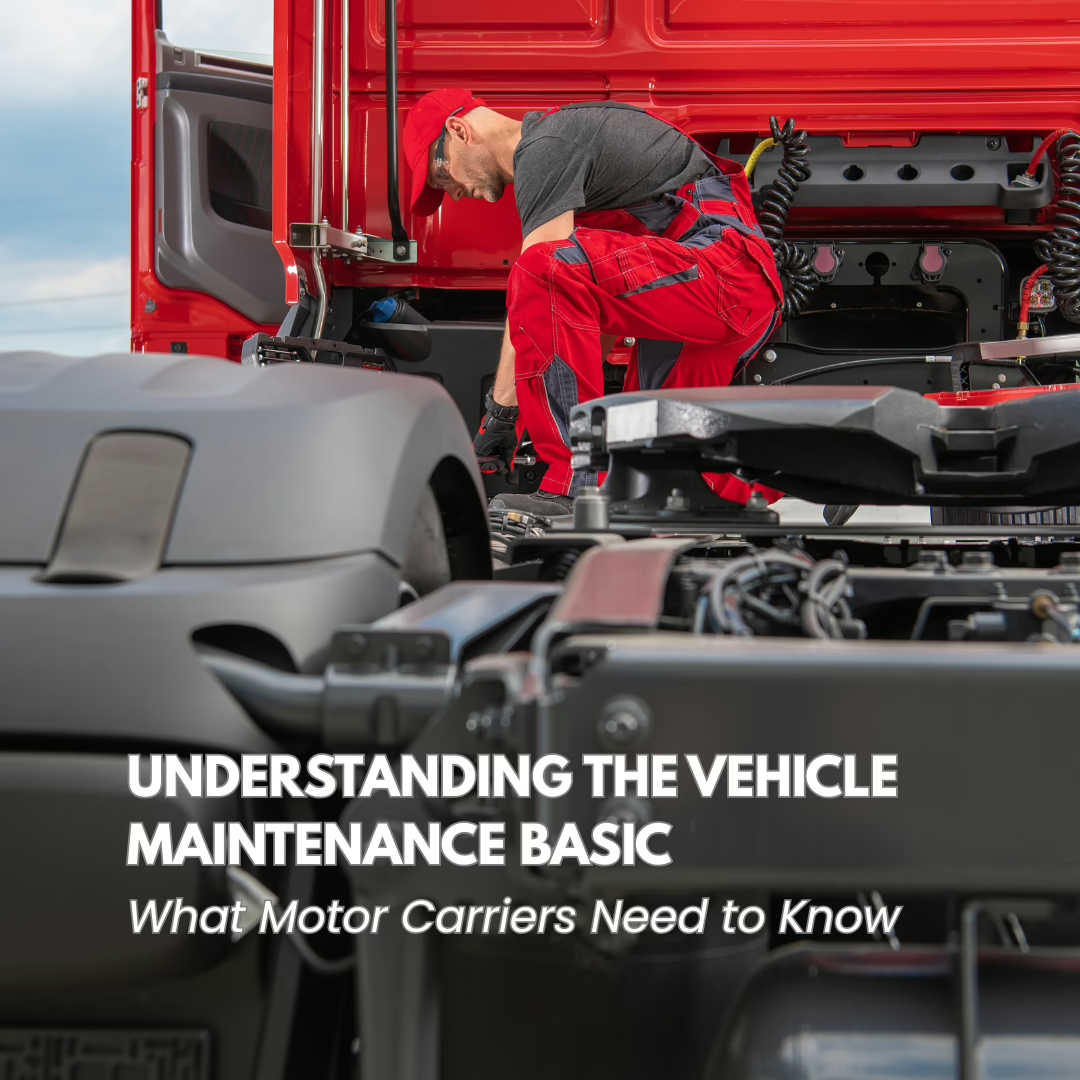
The Vehicle Maintenance BASIC is one of the seven categories the FMCSA uses to evaluate how well a motor carrier performs compared to others with similar safety records. This category focuses on the mechanical condition and upkeep of commercial motor vehicles. It includes critical areas such as working brakes, lamps, and reflectors; proper tire condition; and correct cargo securement to prevent shifting loads, spills, or overloading.
When these components aren’t properly maintained, carriers can receive violations that negatively impact their safety scores. Common issues tied to this BASIC include operating vehicles that should be placed out of service, driving with defective brakes or lights, failing to fix known mechanical problems, and improper cargo securement — the latter being governed by detailed rules depending on the type of freight being hauled.
How to Improve Your Performance
Improving your Vehicle Maintenance BASIC score starts with a strong focus on proactive maintenance and consistent driver education. Daily pre-trip and post-trip inspections are one of the most effective ways to prevent violations, so it’s important that drivers take those walk-arounds seriously and document any defects they find. Maintenance records also play a critical role in FMCSA compliance. Keeping everything organized in a centralized system ensures you stay on top of inspection schedules and repairs for every commercial motor vehicle in your fleet.
Training is another key component of performance in this category. When drivers know exactly what to look for — and how to properly report issues — they can spot safety risks before they result in a violation or a roadside breakdown. When repairs are needed, carriers should act quickly and correct any issues before putting the vehicle back into service. Internal audits can also help catch problems early, ensuring vehicles and paperwork are in good shape long before an inspector looks things over.
Cargo securement is a major factor in the Vehicle Maintenance BASIC as well, and requirements can be detailed depending on the type of freight being hauled. Providing regular securement training helps reduce the risk of shifting loads, spills, and other preventable violations. Encouraging open communication is equally important. Drivers should feel confident asking questions, reporting concerns, or requesting help when something doesn’t seem right.
Bottom Line
Keeping your Vehicle Maintenance BASIC score in good standing means you are serious about protecting your fleet, your drivers, and everyone else on the road. When maintenance programs are strong, inspections are taken seriously, and communication is encouraged, safety becomes part of the culture. And while violations can follow you for up to two years, consistent clean inspections and proactive action will move your score in the right direction. Staying ahead of maintenance issues gives you a competitive advantage. The more you invest in proper vehicle care today, the stronger your compliance, reputation, and operational reliability will be tomorrow.